Swimming, Triathlon & Open Water Equipment
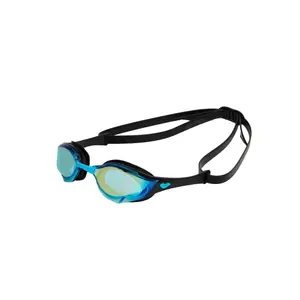
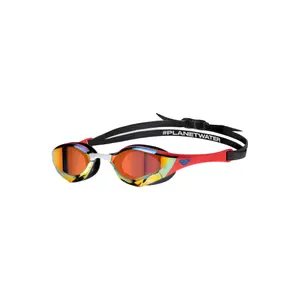
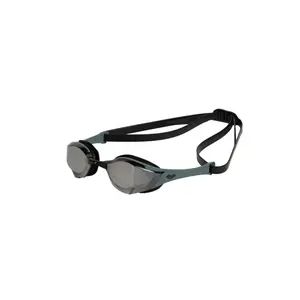
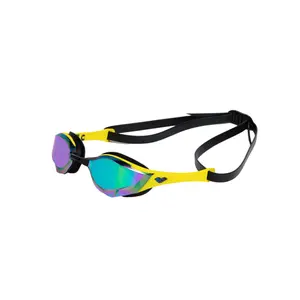
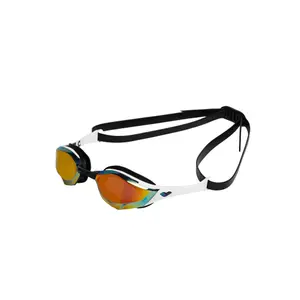
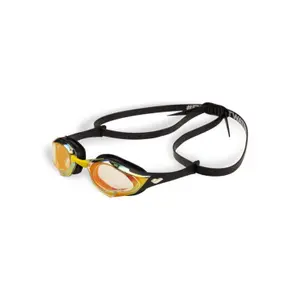
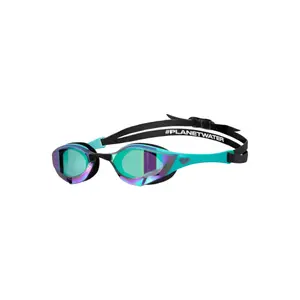
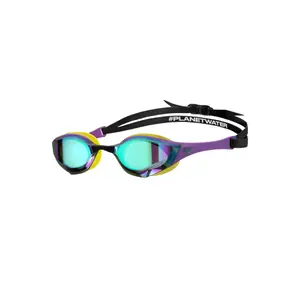
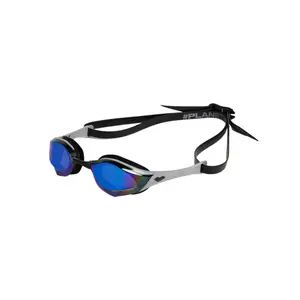
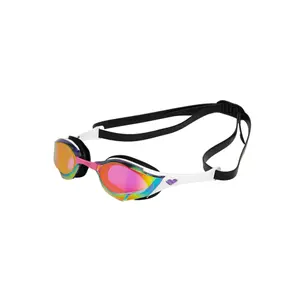
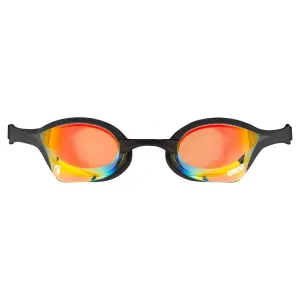
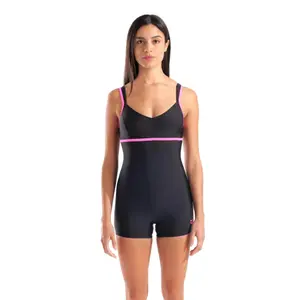
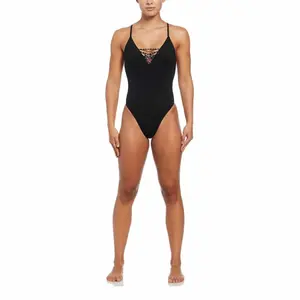
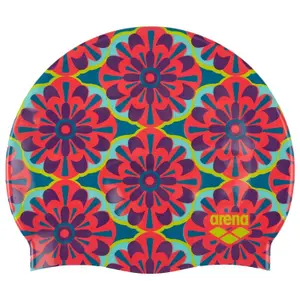
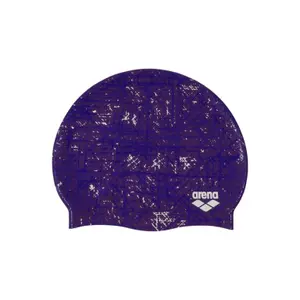
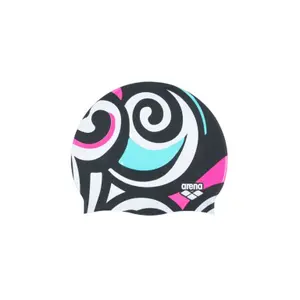
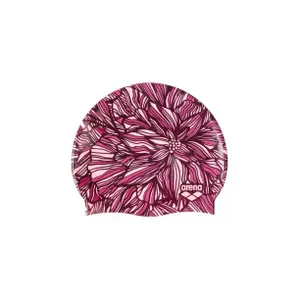
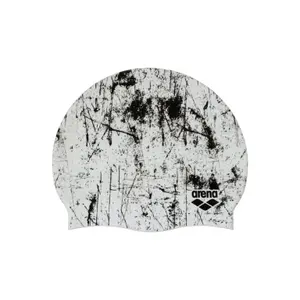
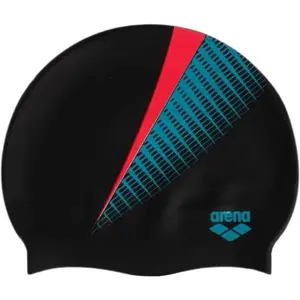
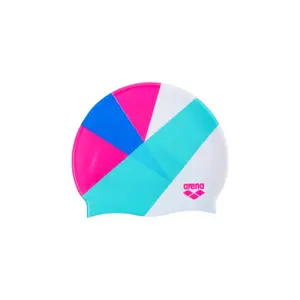
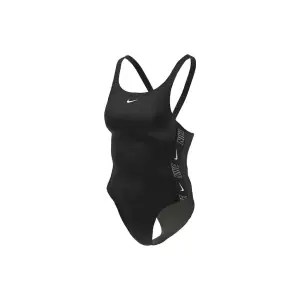
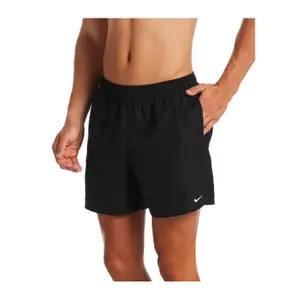
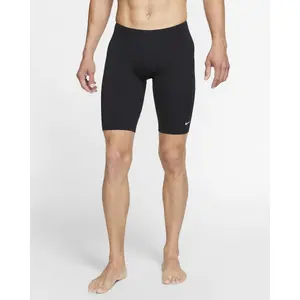
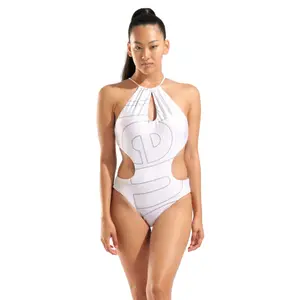
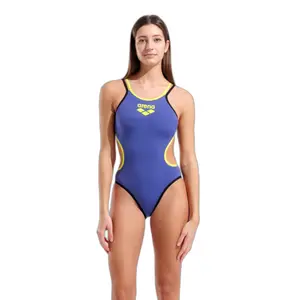
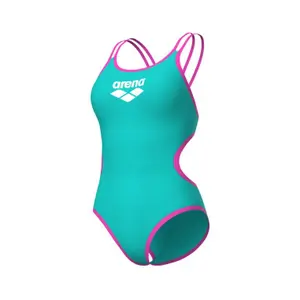
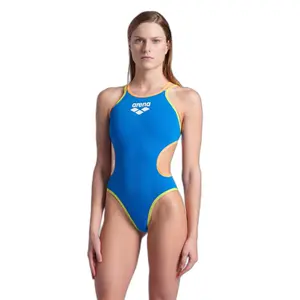
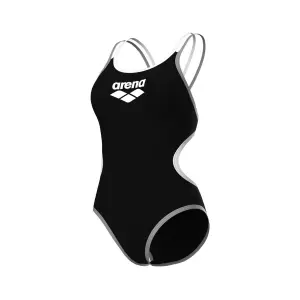
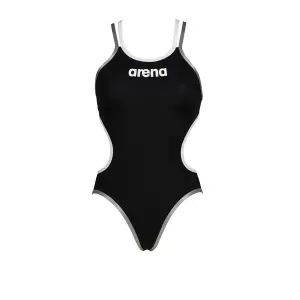
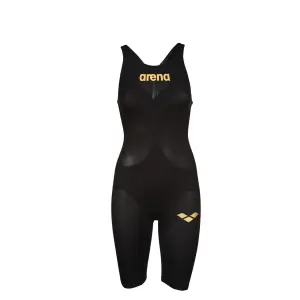
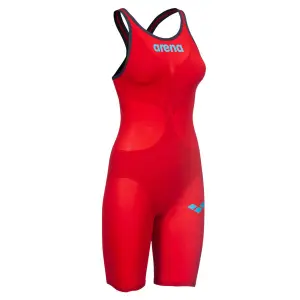
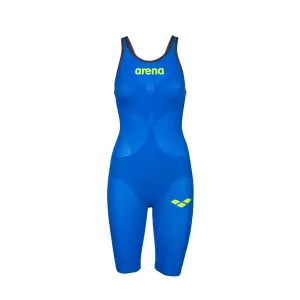

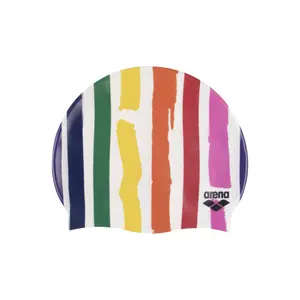
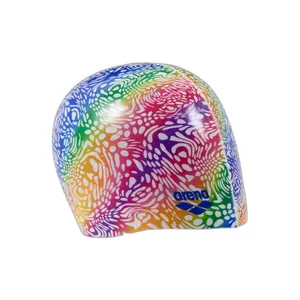
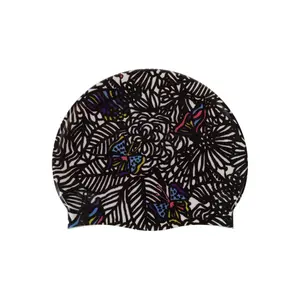

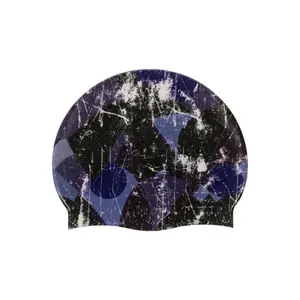
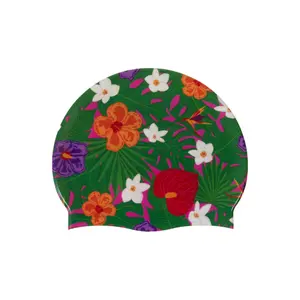
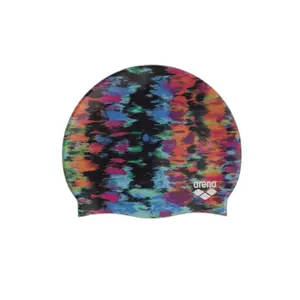
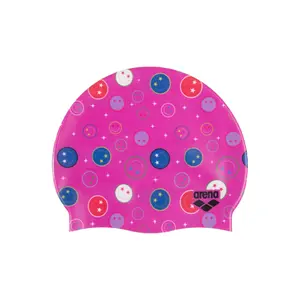
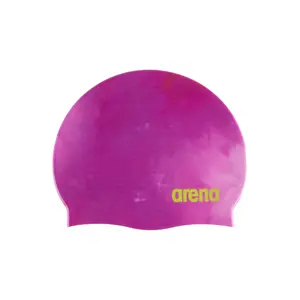
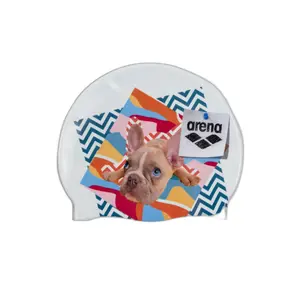
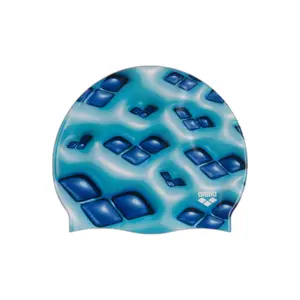
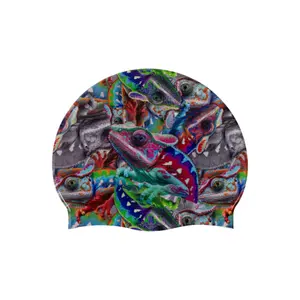
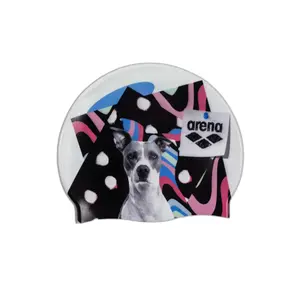
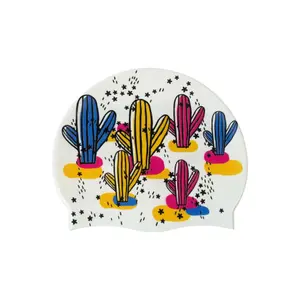
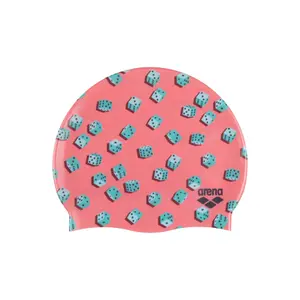
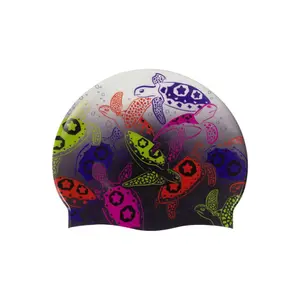
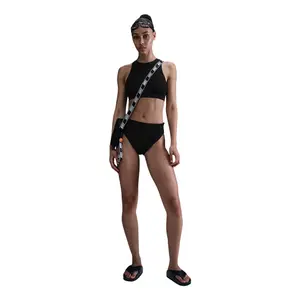
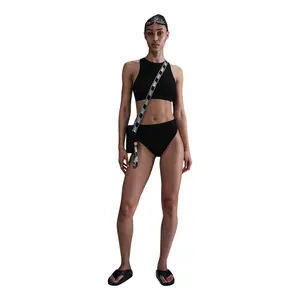
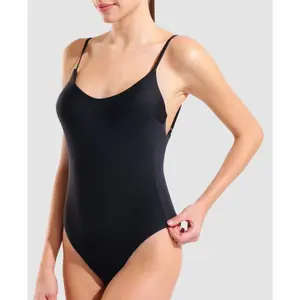
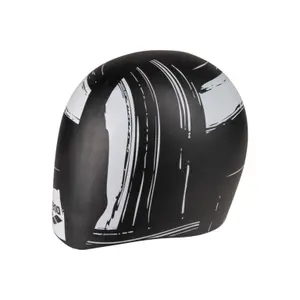
Swimming is much more than the first stage of the triathlon: it's where you set the tone for your race. To come out of the water ahead and conserve your energy for what's next, the choice of your gear is crucial. At Triathlon-expert, we've selected essential equipment to help you lead the pack. From sleek neoprene wetsuits to wide-angle swimming goggles for navigation, gear up with top products in the field and ensure a lightning-fast T1 transition.
Swimming: The Springboard to Your Triathlon Performance
In triathlon, everything starts in the water. Whether it's a mass start like a “washing machine” or a rolling start, swimming is the event that kicks off your race dynamics. Unlike in a pool, open water swimming requires specific adaptations: managing orientation, water temperature, and currents. At Triathlon-expert, we know that good swimming is not just about technique but also about choosing equipment that helps you conserve energy for cycling and running.
Choosing Your Triathlon Wetsuit Wisely
This is the number one investment for a triathlete. Unlike a surfing wetsuit, a triathlon wetsuit is designed for smooth gliding. It offers you two major benefits:
- Buoyancy: It corrects your position in the water, relieves your legs, and helps you gain speed without extra effort. Depending on your level, you can choose maximum buoyancy or a more neutral profile.
- Flexibility: The neoprene around the shoulders needs to be ultra-flexible so it doesn't restrict your arm rotation.
Don't forget: your wetsuit is usually worn over your tri-suit. It should also be easy to take off thanks to reverse or quick zips, so you don't lose precious seconds in T1 transition.
Essentials: Goggles and Open Water Accessories
Seeing clearly is vital to avoid swimming in a zig-zag and adding unnecessary distance. Our triathlon swimming goggles (Zoggs, Arena, Huub, etc.) offer wide field of view (wide angle) and polarized or photochromic lenses to adapt to the brightness of the sun reflecting on the water. For safety during training, also consider a swimming buoy for open water to be visible to boats, and neoprene hoods for cold waters.
FAQ: The Question Everyone Asks
What triathlon wetsuit should I choose if I'm not a good swimmer?
That's an excellent question for optimizing your purchase! If you're not coming from a swimming background (“non-swimmer”), your main enemy is drag caused by sinking legs. For you, the priority is not extreme flexibility, but buoyancy.
At Triathlon-expert, we advise you to filter the models that offer a neoprene thickness of 5mm on the thighs and hips. This will artificially raise your legs to the surface, correct your position, and help you save precious energy. In contrast, an elite swimmer will look for a wetsuit with less buoyancy but more finesse at the shoulders (1.5mm) for total freedom of movement.