
Aerodynamic Triathlon Helmets & Road Bikes
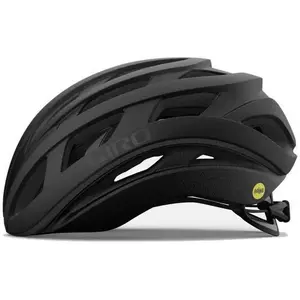
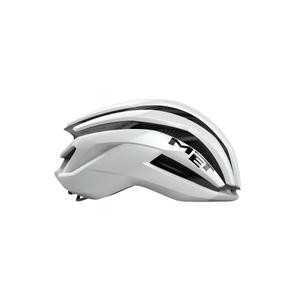
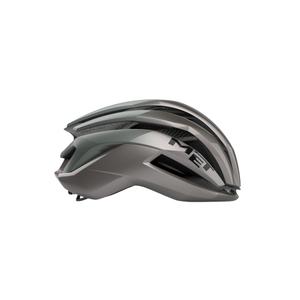
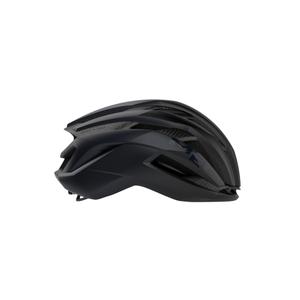
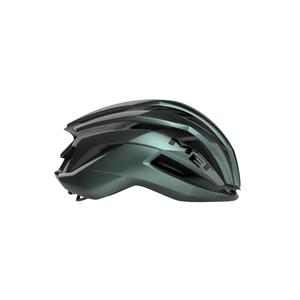
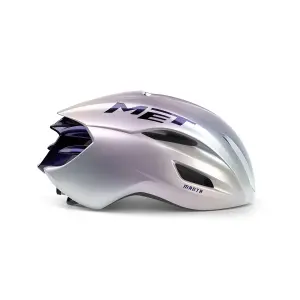
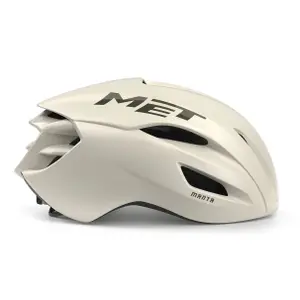
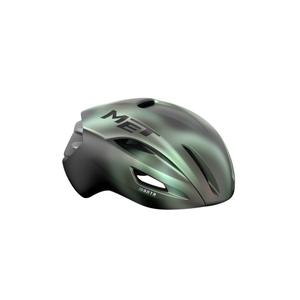
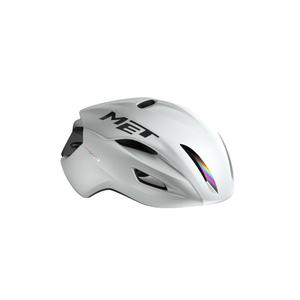
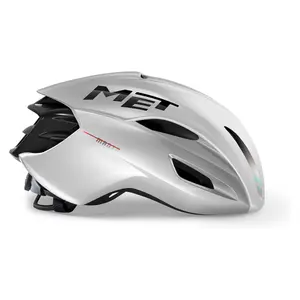
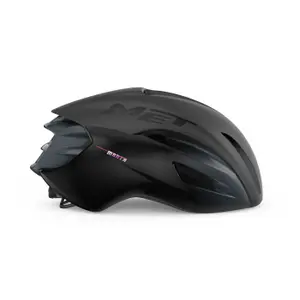
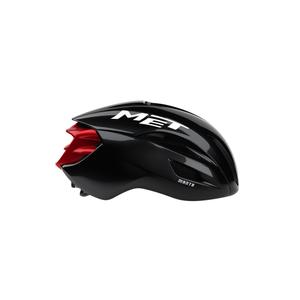
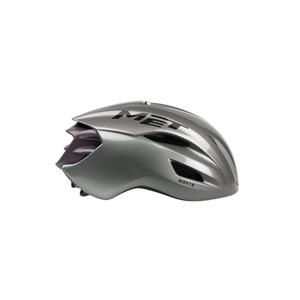
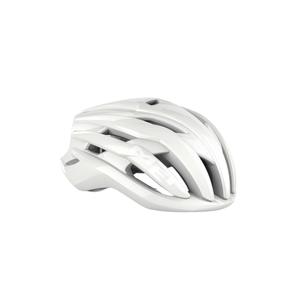
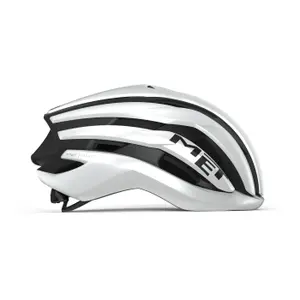
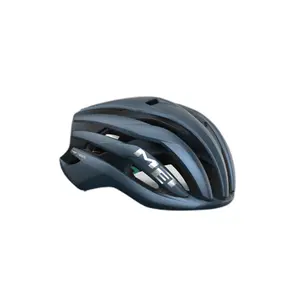
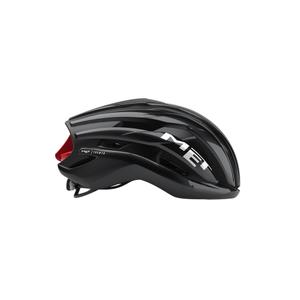
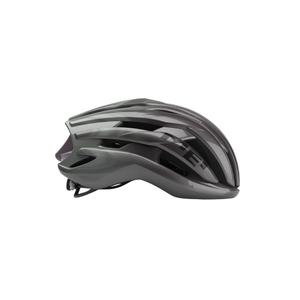
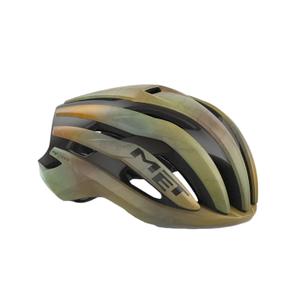
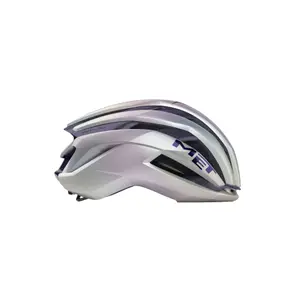
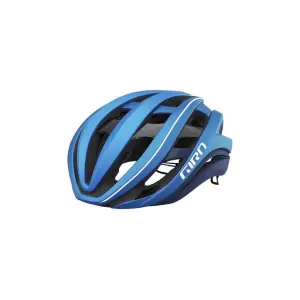


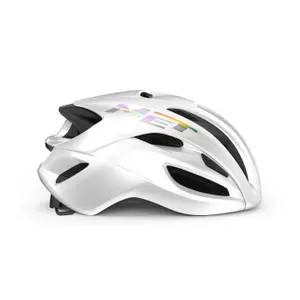
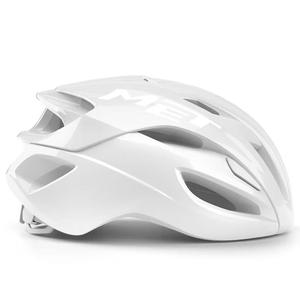
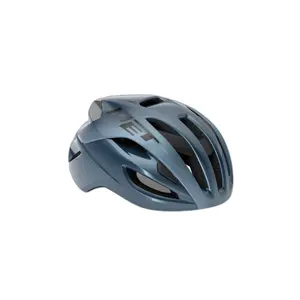
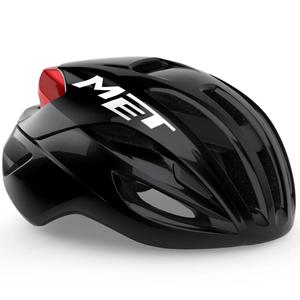
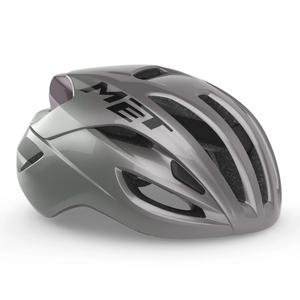
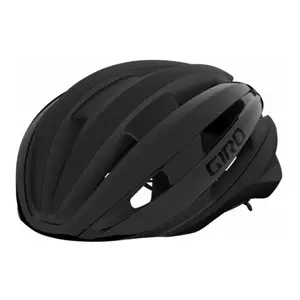
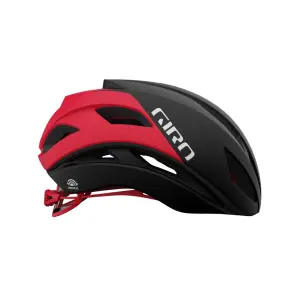
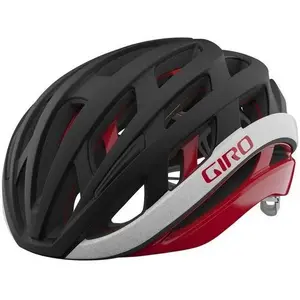
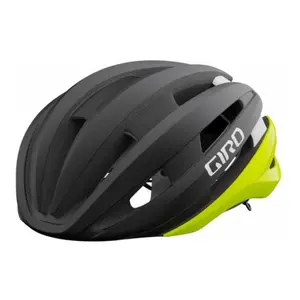
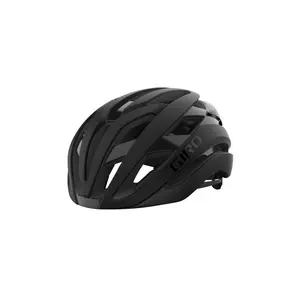
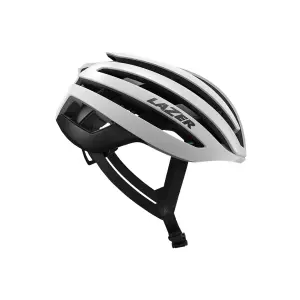
A helmet is the only piece of kit that can save your life while giving you valuable minutes. Forget standard models: here, we’re talking about aerodynamics, ventilation tunnels, and air penetration coefficients. Whether you’re looking for the versatility of a road model or the aggression of a pure time trial helmet, check out our selection crafted for speed.
The art of slicing through the air: much more than just protection
While safety remains the top priority with strict impact standards, the helmet has become the obsession of aerodynamic engineers. Why? Because the head is one of the first obstacles the wind meets. A good choice of helmet can save you more watts than a top-end pair of wheels, all for a much lower budget. At Triathlon-Expert, we've gathered the proven models tested in the wind tunnel.
What type of helmet is best for your race?
Your choice of helmet should depend on the terrain of your event and your tolerance for heat. On a very hilly course or in sweltering heat (like Ironman Hawaii or Nice), opt for a ventilated road helmet or "semi-aero." It helps wick away sweat and prevents overheating, which could cost you dearly during the run.
Conversely, for flat courses where the average speed is high, the time trial helmet reigns supreme. Its elongated shape fills the gap between your head and back to eliminate turbulence. It's all about pure and simple "free speed."
Visor, MIPS, and Magnetic Buckle
Details matter. Our models often feature magnetic panoramic visors: they replace your sunglasses, provide a frameless view (crucial in an aero position), and can be removed with one hand. For safety, look out for the MIPS label on our product pages: this technology allows the helmet to move slightly around the skull during an oblique impact, drastically reducing the risk of concussion.
Did you know? A poorly positioned aero helmet can slow you down! If you tend to lower your head or move around a lot, a "tail" that is too long may create drag (aerodynamic braking effect). In this case, a "kamm tail" model (truncated rear) will be more forgiving and perform better for you.